
Data Center Recruitment USA
Our New York desk recruits into every major US market, covering data center, AI infrastructure and power generation hiring for operators, developers and the contractors delivering for them.
 US desk since 2022
Data center recruitment in the United States
Clear Recruitment is a team of specialist data center recruiters working with US operators, colocation providers, hyperscale developers, EPC and M&E contractors and consultancies to hire the people who design, build, commission and run mission-critical facilities. Our New York desk opened in 2022 and covers data center, AI infrastructure and power generation hiring across the US and Canada, including the neo cloud and AI companies now building their own capacity.
The United States is the largest data center market in the world, and it is also the most geographically concentrated. Experienced critical facilities people cluster in a handful of metros, most of them are not willing to relocate, and the strong ones are usually weighing more than one offer at a time. Hiring here is less about finding candidates than about reaching the right ones early and moving at the speed the market runs at.
Hiring teams are the audience here. Candidates should go straight to the North America board, which carries every live opening we are working.
Our US data center recruitment office in New York
Clear Recruitment runs its US data center recruitment from our office on Madison Avenue in New York. The desk covers the whole US market, plus Canada, with consultants who specialise in mission-critical and data center disciplines rather than splitting their time across unrelated sectors. London and Dubai offices extend the same delivery standard for clients hiring across EMEA and the Middle East.
Clear Recruitment, US office
260 Madison Avenue, 8th Floor, New York, NY 10016
From New York our US desk runs searches into every major hyperscale cluster: Northern Virginia, the Texas triangle around Dallas, Phoenix, Atlanta, the Chicago and Columbus corridor, and the Canadian market through Toronto and Montreal. We cover the full lifecycle and discipline range for each, on permanent, contract and executive search terms.
Direct hire, contract and confidential search on US programmes
US campus programmes typically run all three at once: permanent operations teams built ahead of turnover, travelling commissioning contractors through the construction phase, and confidential leadership searches where an operator is entering a new market. One desk covering all three keeps the candidate market intelligence in one place rather than split across suppliers.
The disciplines our US desk recruits into
Each discipline below is handled by consultants who specialise in it. Across US programmes the hardest roles to fill are consistently high voltage electrical engineers, commissioning leads willing to travel between sites, and critical facilities managers with genuine high density experience, all of which sit in a candidate pool concentrated in a few metros.


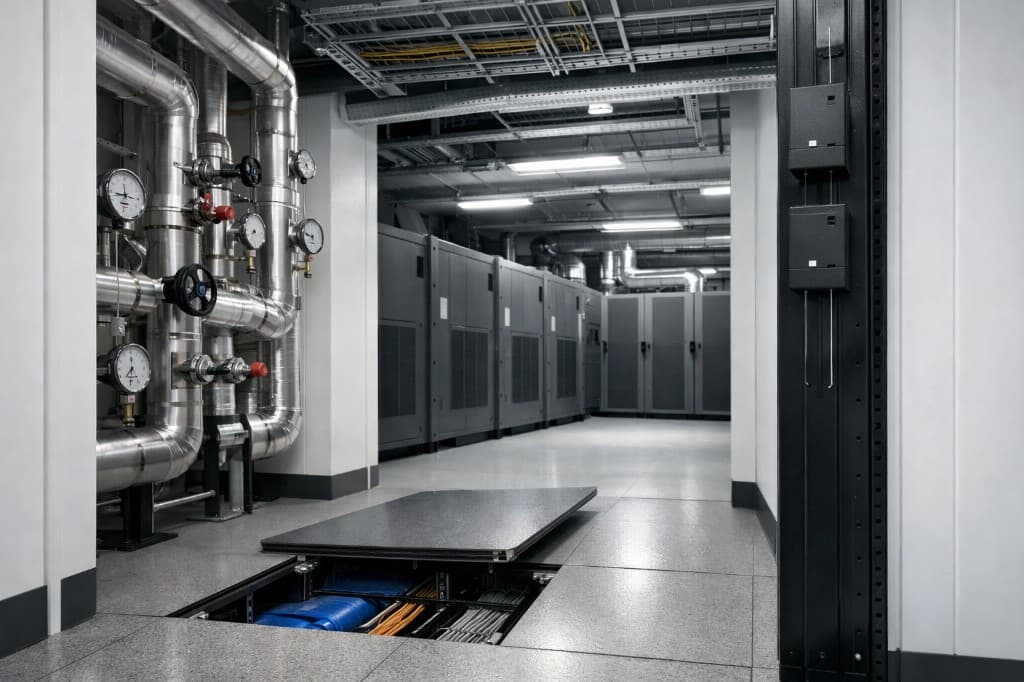
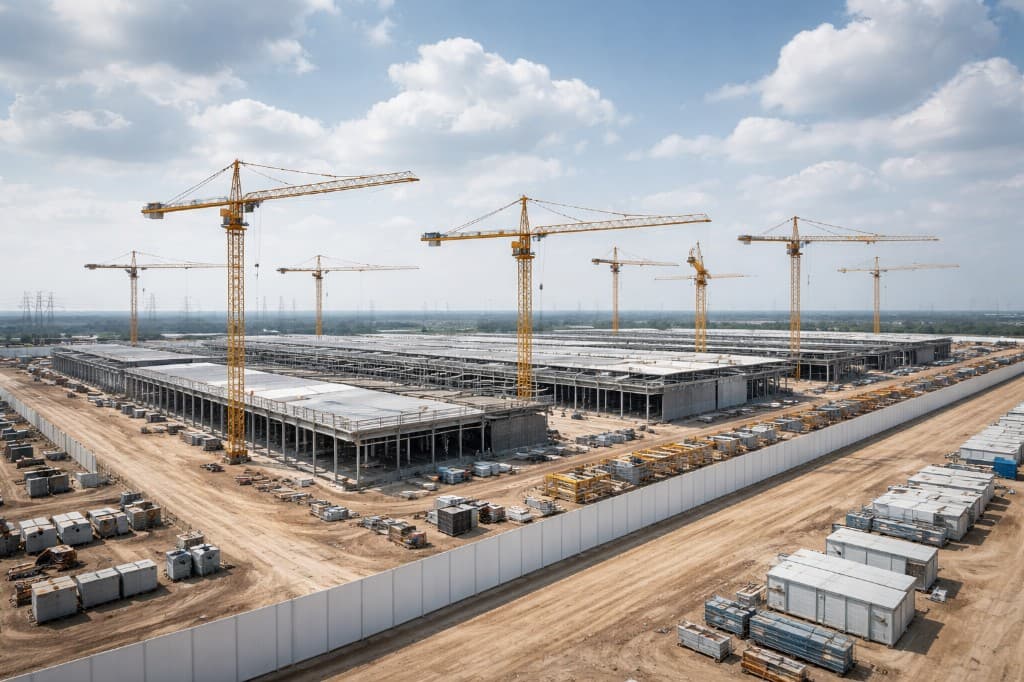
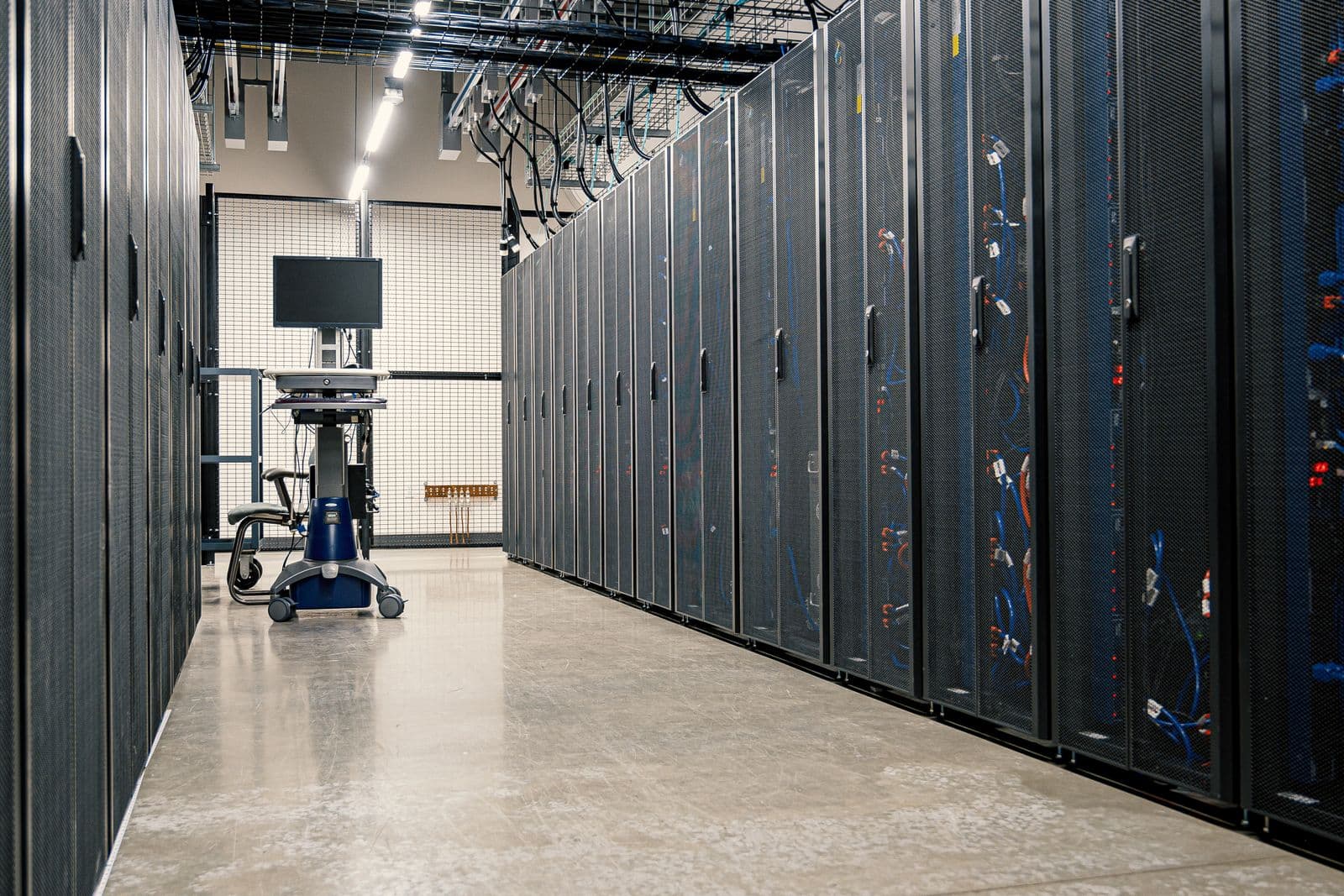
Recruiting across overlapping phases on US campus programmes
US campuses move fast enough that the phases stop being sequential. Construction management is often still onboarding while commissioning resource is being scheduled and the operations team is already being built for turnover. Running that through three different agencies means three views of the same candidate market and no one accountable for the sequence. We recruit at every stage, so the same desk can hold the overlapping workstreams together.
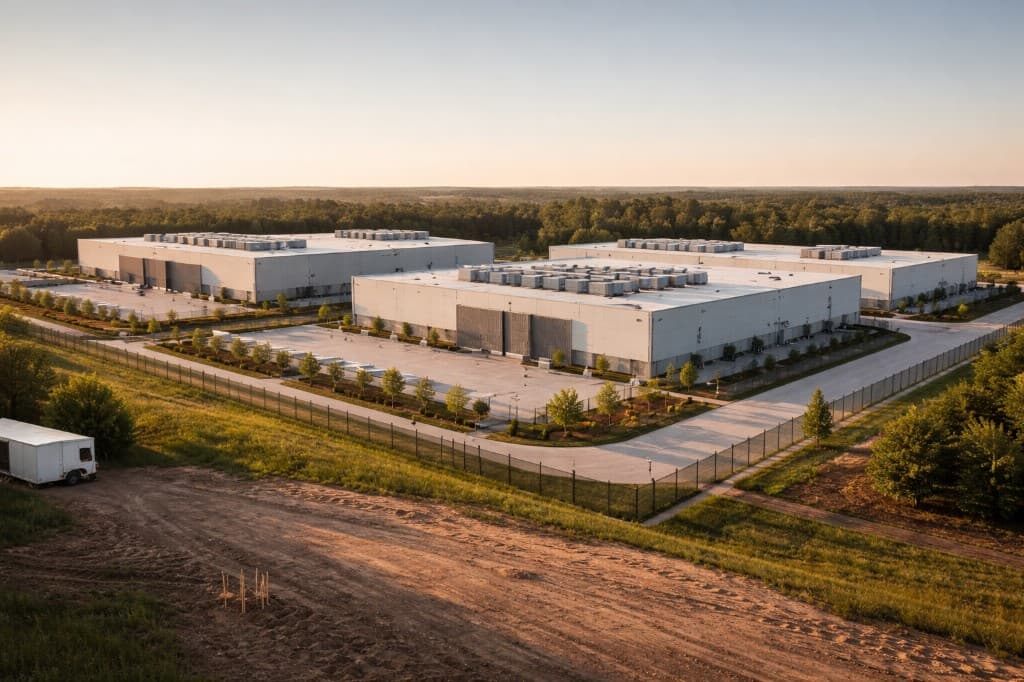
- Site selection & developmentAcquisition, planning, grid connection and feasibility leads.
- Design & commissioningMEP and electrical designers, commissioning managers and CxA professionals.
- Project & construction managementProject and programme directors, construction managers and CSA leads.
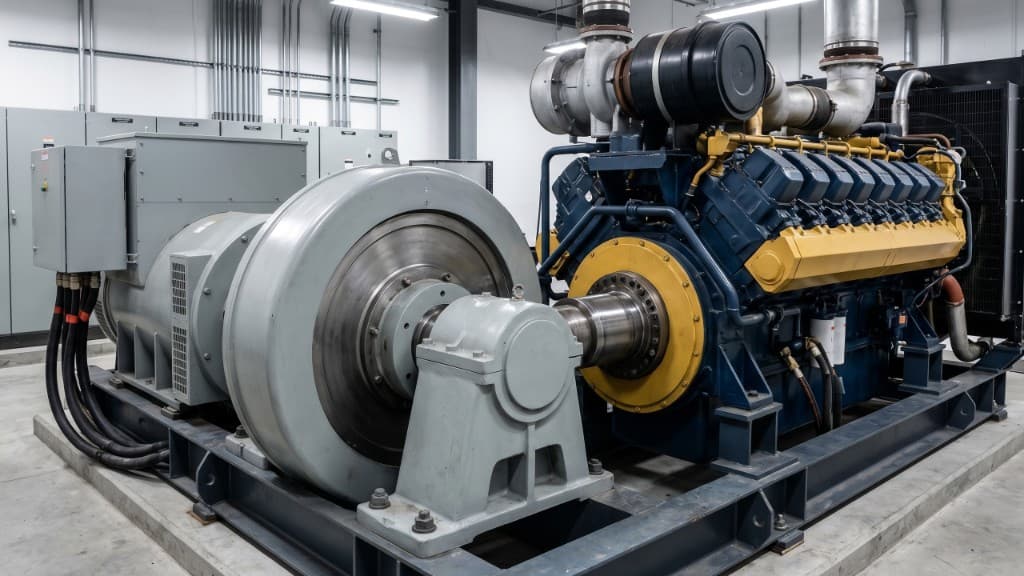
- Power, cooling & controlsElectrical, mechanical, liquid cooling, BMS, EPMS and SCADA engineers.
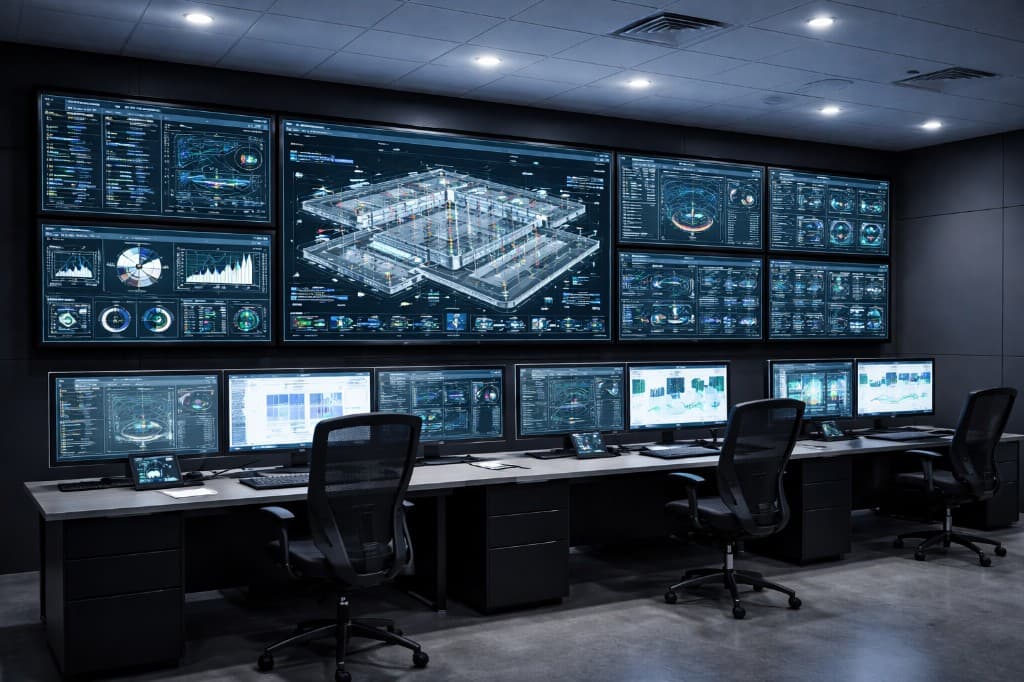
- Technical operationsShift engineers, critical facilities managers, NOC staff and technicians.

US data center market snapshot
What a US hiring plan usually needs to account for, current to 2026: the scale of the market, where it is growing, and how offers get compared.
- US operational IT load
- ~12 GW
- Total commercial IT load now operating across the US, with Northern Virginia carrying roughly a third of it and setting the pay benchmark the other markets are measured against.
- Approved pipeline
- Surging
- Approved US capacity is growing fastest in the secondary markets rather than the established hubs, which is steadily shifting where hiring demand actually sits.
- Active hiring clusters
- 6 hubs
- Northern Virginia, Texas, Phoenix, Atlanta, the Chicago and Columbus corridor, and Canada are the clusters our US desk runs searches into.
- How US offers get compared
- Base, bonus, equity
- US candidates weigh competing offers on total compensation rather than base alone, so we benchmark the whole package before you go to offer instead of afterwards.
Capacity figures reflect publicly reported US commercial IT load and are offered as orientation, not a binding analyst quote. Compensation guidance is indicative base only; bonus, equity, per diem and contract rates run separately and vary sharply by metro. Talk to a consultant for live, programme-specific market intelligence.
The consultants who run our US searches
Our New York desk is organised by discipline rather than by account, so the consultant taking your brief on an electrical role is the one who has spent the year placing electrical engineers and knows what they are currently being offered elsewhere.

Alex Hubbard
Delivery Consultant

Amelia Burrows
Delivery Consultant

Annabel Arnold
Recruitment Consultant

Ashleigh-Rose Horton
Senior Consultant

Ava Chapman
Operations Assistant

Bailey Morris
Principal Consultant

Ben Harvey
Principal Consultant

Bradley May
Recruitment Consultant

Chris Unwin
Divisional Director

Conor Halligan
Principal Consultant

Daisy Skipper
Delivery Consultant

Daniel Bonner
Senior Account Manager

Darcie Power
Operations Manager

Dylan Roper
Recruitment Consultant

Ella Mcilheron
Talent Acquisition Consultant

Ethan Cook
Delivery Consultant

Evie Poulson
Senior Consultant

George Avgousti
Vice President

Halle Ismael
Delivery Consultant

Harry Thomas
Senior Consultant

Hasina Macnamara
Senior Consultant

Jack Somm
Learning and Development Manager

Jacob Woods
Principal Consultant

Jason Mabbs
Director, US Contract Division

Joe Waterman
Associate Director

Lauren Cartmell
Principal Consultant

Lewis Basanese
Delivery Consultant

Louis Thorpe
Senior Consultant

Luke Alliband
Principal Consultant

Matthew Holden
Delivery Consultant

Nathan Dean
Senior Consultant

Patty Swirydowicz
Principal Consultant

Rishi Acharya
Delivery Consultant

Ruby Skinner
Senior Consultant

Sadie Martin
Recruitment Consultant

Sam Britton
Principal Consultant

Shalini Nandilath
Senior Consultant

Stanley Nelli
Principal Consultant

Stephen McCreight
Senior Consultant

Tom Poole
Principal Consultant

Will Hennessy
Divisional Manager
Metro concentration, total compensation and what actually slows US hiring down
US data center searches are rarely lost on candidate quality. They are lost on relocation assumptions, offers benchmarked against the wrong number, and processes that take a week too long. These are the things we handle differently.
We tell you early whether the role needs relocation
US critical facilities talent is concentrated in a few metros and most of it will not move. Before a search starts we give you an honest read on whether the role is realistically fillable from the local market, or whether it needs a relocation budget and a longer timeline, so the plan is built on the real pool rather than the theoretical one.
Offers benchmarked on total compensation, not base
US packages combine base, bonus and often equity, and candidates compare competing offers on the whole number. We benchmark the full package against what operators, contractors and the newer AI infrastructure businesses are actually paying, so your offer is competitive against the ones your candidate is holding alongside it.
A process that keeps pace with the market
Strong US candidates in this sector typically hold more than one offer. We keep the process tight and tell you plainly when an interview schedule is likely to cost you someone, because a slow second stage is the single most common reason a US mission-critical hire is lost.
Travel and site expectations agreed before interview
Commissioning and construction roles on US campus programmes often carry heavy travel or rotation between sites. We confirm what the role genuinely requires and screen candidates against it up front, rather than surfacing the mismatch after an offer has been made.
US live roles and where to go next
The live North America board is worth a look even if you are hiring rather than looking, because it shows which disciplines and which metros are moving right now.
Data Center Recruitment USA: Frequently Asked Questions
Expect the first conversation to be about scoping rather than CVs. We will want to know where the campus is, what phase it is in, and what the role has to deliver, because those determine whether the hire is realistically local or a relocation search and what it needs to pay. From there we search our network rather than posting the role, and come back with a small number of screened candidates plus a straight view on total compensation and timeline. One consultant owns the process through offer and start date, and you should expect them to tell you when the plan is not working rather than quietly keeping the requisition open.
A generalist staffing agency posts your opening and forwards the applicants, which reaches the people actively looking in that metro and very few others. We start from a mapped network of US critical facilities engineers, commissioning managers, MEP designers and operations leaders, most of them mid programme and not on the market. The second difference is judgement: our consultants can distinguish an engineer who has genuinely commissioned a live facility from one who has worked adjacent to the process, and they know what each is currently being paid in Northern Virginia versus Phoenix or Columbus, which is what makes an offer land.
Direct hire placements are usually contingent, so nothing is payable until someone you hire actually starts. Leadership and confidential mandates run retained, with the fee staged across the search in return for exclusivity and a fully mapped market. Contract placements are billed as a margin over the pay rate, and for travelling commissioning roles we will set out how per diem and expenses sit alongside that so the true cost per head is clear before you commit. Whichever route applies, the numbers are agreed in writing at the outset.
Assume local unless you have a reason and a budget to think otherwise. US critical facilities talent concentrates in a handful of markets, and experienced people with families and site-specific knowledge are generally reluctant to move, particularly for operations and shift-based roles where the premium for relocating is small. Relocation is more realistic at senior and programme leadership level, and for travelling commissioning work where the role is not tied to a single site anyway. We give you a straight read on which category your role falls into before the search starts, because a role scoped as local when it is really a relocation search will sit open for months.
Benchmark on total compensation and by metro, not on base and not nationally. The same critical facilities role can differ substantially between Northern Virginia, Dallas, Phoenix and Columbus, and candidates comparing offers weigh base, bonus and any equity as one number. Operators, EPC contractors and the newer AI infrastructure businesses also structure packages differently from each other, so the relevant benchmark is what your specific competitors for that candidate are paying. We give you live guidance for the exact role and market before you go to offer.
Yes, and it is a large part of our US contract work. Commissioning engineers, CxA professionals, electrical QA and QC leads and site managers frequently move between campuses rather than sitting at one location, on rotation or per diem arrangements. These roles draw from a different and more mobile pool than site-based positions, so the search runs differently. We confirm the travel expectation, the rotation pattern and the per diem structure at briefing and screen candidates against it, which avoids the common failure of an offer being declined once the real travel load becomes clear.
Yes, and a good share of our senior US work runs this way. These searches never appear on a public board. We map the relevant leadership population across the markets that matter for the role, approach people discreetly through existing relationships, and control the process so that neither your plan to hire nor your plan to replace someone becomes visible to competitors or to the incumbent. It is the standard route for VP of Critical Facilities, Data Center Director and programme leadership appointments, particularly where an operator is entering a new market and does not want that signalled early.
Shortlists come quickly because we start from a mapped network rather than a posting. The variable is not our end, it is yours: in a market where good candidates hold multiple offers, the elapsed time is usually decided by how fast your interview process moves and how quickly a decision follows the final stage. Contract mobilisation is faster than direct hire, and roles requiring relocation take materially longer. We will give you a realistic estimate for your specific role and market on the first call, and flag it early if your process is likely to cost you the candidate.
All of the major ones. Northern Virginia, the Texas triangle around Dallas, Phoenix, Atlanta, the Chicago and Columbus corridor, and into Canada through Toronto and Montreal. Running them from one desk matters more than it sounds: pay, availability and willingness to relocate differ sharply between these markets, and a consultant who only works one of them cannot tell you that a role priced for Columbus will not attract anyone in Ashburn. You brief one person who holds that comparison rather than briefing an agency in each metro.
Yes. Our contract and contingent desk mobilises commissioning engineers, project managers, CSA managers, electrical QA and QC leads and site managers on rolling terms across US programmes, alongside our permanent and executive search delivery. Bill rates and durations vary by discipline and programme stage, and we give an honest read on the current US rate for any specific role before you commit.
Hiring data center talent in the US?
Send us the req or the programme brief and a US consultant will come back with whether the role is fillable locally, what total compensation it needs to compete, and how quickly a credible shortlist can be with you.